Chick Fil A Allergen Menu
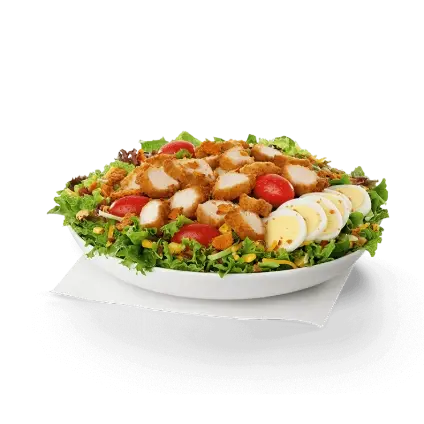
Cobb Salad
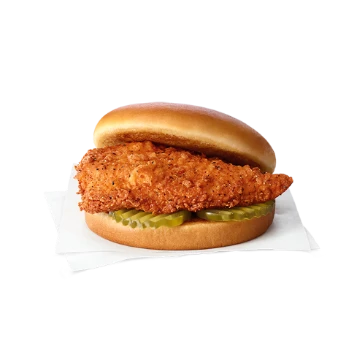
Spicy Chicken Sandwich
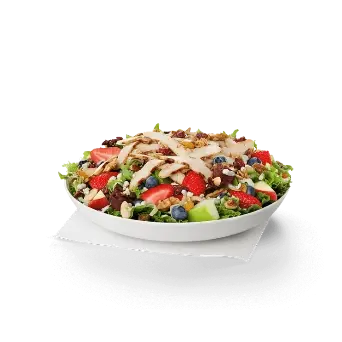
Market Salad
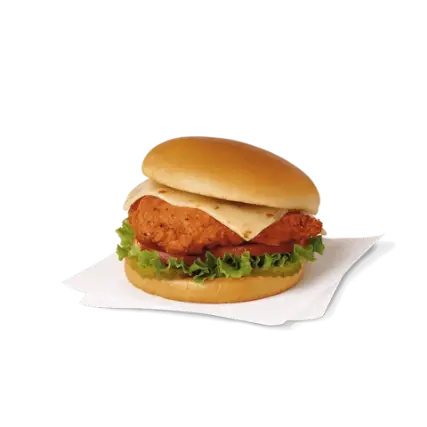
Spicy Deluxe Sandwich
Chick-fil-A Allergen Quick Checker
Select an allergen to see what menu ingredients and categories you should check before ordering.
We’ll show the areas of the Chick-fil-A menu you should review.
The chick fil a allergen menu helps customers check allergens and ingredients before ordering. Chick-fil-A provides allergen information through its Nutrition & Allergens guide and local restaurant menus. You can also check ingredients for specific items in the Chick-fil-A app. The guide covers common allergens found in menu items. These include milk, egg, wheat, soy, sesame, and other potential allergens.
Each menu item can have a different ingredient and allergen profile. Ingredients may also vary by restaurant, supplier, region, or customization. Checking ingredients matters when you have a food allergy or dietary concern. Allergen information tells you what ingredients an item may contain. It does not mean the food is completely allergy-safe. Cross-contact can also happen during food preparation.
Chick-fil-A uses shared cooking and preparation areas. The company says it cannot guarantee food will remain free from allergens. Always review the current ingredient information before ordering. For serious allergies, consider your personal needs and ask the restaurant about your concerns.
What Is the Chick Fil A Allergen Menu?
The Chick-fil-A allergen menu is a guide for checking allergens, ingredients, and nutrition details. It helps customers understand what each menu item may contain. You can review information for individual foods before placing an order. The guide covers menu items across different parts of the restaurant menu.
What Information Does the Allergen Menu Show?
The Chick-fil-A allergen guide shows common allergens linked to individual menu items. It also provides detailed ingredient information for those foods. You can check the Chick-fil-A ingredient list before choosing your meal. The information covers more than main chicken items. You can check sauces, dressings, sides, drinks, breakfast foods, and desserts.
This makes the Chick-fil-A allergy menu useful for different dietary needs. You can also review nutrition details for individual menu items. These details can include calories, fat, carbohydrates, protein, and other nutrition values. Always check the specific item because ingredients can differ between menu choices.
Where Can You Check Chick Fil A Allergens?
Chick-fil-A provides Chick-fil-A nutrition and allergens information through its website and app. Start by selecting your preferred restaurant when using the online menu. Then open the local restaurant menu and choose a specific item. Look for the ingredients section on that item’s menu page. This section provides the ingredient details and allergen information available for that food. The Chick-fil-A app also lets customers review menu and ingredient information.
Restaurant-specific menus can help you check current item details before ordering. This matters because menu offerings and ingredients can vary by location. If you wonder how to check Chick-fil-A allergens, choose the restaurant first. Then open the item and review its ingredient information. For food allergies, check the latest details every time you order.
Chick Fil A Allergens List
The Chick-fil-A allergen menu helps you review common food allergens before ordering. Each menu item has its own ingredient and allergen profile. So, never assume an entire menu category shares the same allergens. The current ingredient list gives the most useful details for your specific choice.
| Allergen | What Users Should Check |
|---|---|
| Milk | Cheese, sauces, dressings, desserts |
| Egg | Breading, sauces, breakfast items |
| Wheat | Buns, breading, wraps |
| Soy | Certain buns, sauces, prepared ingredients |
| Sesame | Certain buns and flatbreads |
| Peanut | Peanut oil and relevant ingredients |
| Tree Nuts | Specific ingredients and menu items |
| Fish | Specific menu ingredients |
| Shellfish | Specific ingredients |
| Mustard | Sauces and dressings |
This table shows areas to check, not automatic allergen claims. An item may contain none of these allergens. Always review the current Chick-fil-A ingredient information for the exact item.
Milk, Egg, Wheat and Soy Allergens
Milk can appear in cheese, sauces, dressings, and desserts. Customers with a milk allergy should check the complete ingredient list. Dairy ingredients can vary between different menu items. Egg can occur in breading, sauces, and breakfast foods. Wheat commonly appears in buns, breading, and wraps. These ingredients matter for people avoiding wheat or gluten. Soy may appear in certain buns, sauces, and prepared ingredients. The ingredient list helps you spot these sources before ordering. Never rely only on an item’s name or description.
Peanut, Tree Nut and Sesame Allergens
Peanut allergies require special attention at Chick-fil-A. The restaurant uses fully refined peanut oil for its hand-breaded chicken. Chick-fil-A explains that its refined peanut oil contains no detectable peanut protein. However, customers should still consider their own allergy needs. Tree nuts can appear in specific ingredients or menu items. Check each item’s current ingredient details instead of assuming it contains nuts. Sesame also deserves careful attention.
Chick-fil-A identifies sesame in certain buns and its flaxseed flour flatbread. This includes components used with some menu items. These details show why a specific Chick-fil-A allergen guide matters. Always check the individual item before ordering.
Fish, Shellfish and Other Allergens
Fish and shellfish may occur in specific menu ingredients. Mustard can also appear in certain sauces and dressings. Their presence can change with menu updates or ingredient changes. The Chick-fil-A allergy menu should guide your first check. Then review the complete Chick-fil-A ingredient list for your chosen food. This approach gives you more accurate information than broad menu assumptions.
Remember that allergen information does not guarantee allergy-safe food. Shared preparation areas can create cross-contact risks. For serious food allergies, discuss your needs with the restaurant before ordering.
Chick Fil A Gluten-Free Menu and Wheat-Free Options
The Chick-fil-A gluten-free menu includes several choices made without gluten ingredients. Chick-fil-A calls these options gluten-friendly. Choices include grilled chicken, salads, sides, sauces, and some drinks. The exact options can change with menu updates.
What Is Gluten-Free at Chick-fil-A?
Chick-fil-A lists several gluten-free options based on their ingredients. These include the grilled chicken filet and Grilled Nuggets. Several salads can also fit a gluten-friendly choice. Options include the Market Salad, Cobb Salad, and Spicy Southwest Salad. The Fruit Cup and Kale Crunch Side also appear among gluten-friendly choices. Waffle Potato Fries provide another option based on their listed ingredients. Some sauces and dressings also fit gluten-friendly choices.
Chick-fil-A offers a gluten-free bun where available. This bun can help customers avoid wheat-based sandwich buns. Always check the current ingredient information before ordering. A menu item can contain different ingredients after customization. Restaurant menus may also differ by location.
Is Chick Fil A Safe for a Gluten Allergy?
A Chick-fil-A gluten-friendly item does not guarantee an allergy-free meal. Gluten-friendly describes the ingredients or preparation information available for that item. It does not remove the possibility of cross-contact. Shared kitchens can create contact between different ingredients. Breaded foods, cooking areas, utensils, and preparation surfaces may increase this concern. Chick-fil-A does not guarantee that food will remain free from allergens.
Customers with a wheat allergy should also check the complete ingredient list. Wheat and gluten are related, but they are not identical concerns. An ingredient list gives more useful information than a general menu label. For serious allergies, review the current Chick-fil-A allergen information before ordering. You should also discuss your needs with the restaurant team. This helps you make a choice based on your own allergy requirements.
Chick Fil A Dairy-Free, Egg-Free and Soy-Free Options
Finding suitable choices starts with the current Chick-fil-A allergen menu. Milk, egg, and soy can appear in many different ingredients. Their presence can also differ between menu items. Always check the specific ingredient information before ordering.
Dairy-Free and Milk-Free Options
Customers with a milk allergy should review the milk allergen information for each item. Cheese is an obvious source, but other ingredients may also contain milk. Sauces and dressings deserve special attention. Desserts can contain milk through dairy-based ingredients. Some bread and prepared foods may also need checking. Do not assume an item becomes dairy-free after removing cheese.
Customized orders also need another ingredient check. Removing one ingredient does not remove every possible milk source. The safest approach starts with the current ingredient statement for your exact order. The Chick-fil-A dairy-free menu can change as recipes and ingredients change. Use the official allergen information rather than relying on older menu lists.
Egg-Free and Soy-Free Choices
People with an egg allergy should check breading, sauces, breakfast foods, and other prepared ingredients. Egg can appear in recipes that may not seem obvious from the item name. Customers seeking Chick-fil-A egg-free options should review the complete ingredient statement. This check becomes especially important after making custom changes. The same approach applies to a soy allergy. Some buns, sauces, and prepared ingredients may contain soy.
Review the ingredient list before choosing an item. The Chick-fil-A soy-free options can also depend on the exact preparation. Customization may remove an ingredient, but it does not guarantee an allergen-free meal. For milk, egg, or soy allergies, check the current menu information each time. Then ask the restaurant team about your specific concerns. Chick-fil-A uses shared preparation areas, so ingredient information does not guarantee zero cross-contact.
Chick Fil A Peanut Allergy and Peanut Oil
Chick-fil-A uses 100% fully refined peanut oil to cook its hand-breaded chicken. The company says it has used this oil since the original Chicken Sandwich. Chick-fil-A also explains how its refined peanut oil gets processed.
Does Chick-fil-A Use Peanut Oil?
Yes. Chick-fil-A cooks its hand-breaded chicken in fully refined peanut oil. The company describes this oil as refined, bleached, and deodorized. This process removes the peanut proteins from the oil. The FDA does not classify highly refined peanut oil as a major food allergen. However, that information does not decide what works for every person. People with a Chick-fil-A peanut allergy should consider their own medical guidance and allergy history.
Ingredient exposure and cross-contact also differ. Peanut oil represents one part of the allergen question. Shared cooking and preparation areas create another concern. Chick-fil-A states that it cannot guarantee its food remains free from allergens. The company prepares foods containing milk, egg, soy, wheat, and sesame in its kitchens. This makes individual ingredient checks important.
What Should People With Peanut Allergies Check?
Start with the current Chick-fil-A allergen information for your specific menu item. Check the ingredients, preparation details, and any customizations you plan to make. Do not assume that one menu item has the same risk as another. Ingredients and preparation can vary between products and locations. If you have a severe peanut allergy, use your personal medical advice when deciding what to order. You can also discuss your concerns with the restaurant team before ordering. The goal is not to label Chick-fil-A as universally safe or unsafe. Instead, use current ingredient information to make an informed choice based on your individual needs.
Chick Fil A Allergen Menu and Cross-Contact
Cross-contact matters when you use the Chick Fil A allergen menu. An ingredient can transfer from one food to another during preparation. This can happen even when the allergen does not belong in your order.
What Is Cross-Contact?
Cross-contact happens when an allergen moves from one food to another. Shared equipment can increase this risk. Shared preparation areas can also create contact between different ingredients. For example, the same surface may handle foods with different allergens. Cooking equipment can also come into contact with different ingredients. Removing one ingredient from an order does not remove every cross-contact risk.
This differs from an ingredient allergy listing. An allergen list tells you about ingredients linked to the menu item. Cross-contact concerns what may happen during food handling and preparation.
Can Chick-fil-A Guarantee Allergy-Free Food?
Chick-fil-A does not guarantee allergy-free preparation. Its restaurants use shared kitchens and preparation areas. Team members also handle many different ingredients throughout the day. Cooking equipment and preparation surfaces may contact different foods. Ingredient handling can also vary between restaurant locations. Because of these factors, allergen information cannot promise zero exposure. This point makes the Chick-fil-A allergen guide more useful when you understand its limits. Use it to identify ingredients, but consider preparation risks separately.
How to Order With a Food Allergy
Follow these steps when checking the Chick-fil-A allergy menu:
- Check the current allergen information before ordering.
- Select your preferred restaurant on the Chick-fil-A menu.
- Open your chosen item and review its complete ingredients.
- Check sauces, dressings, toppings, and other added ingredients.
- Review any customizations before placing your order.
- Tell restaurant staff about your food allergy.
- Consider the possible cross-contact risk before eating.
These steps help you make a more informed choice. They also prevent assumptions based only on an item’s name. For serious food allergies, follow your personal medical guidance. Always check current Chick-fil-A nutrition and allergens information before ordering.
How to Use the Chick Fil A Dietary Preference Center
The Chick-fil-A One Dietary Preference Center helps you find menu items that match your dietary needs. It works through your Chick-fil-A One account. You can set preferences for gluten, dairy, vegetarian foods, sodium, carbohydrates, and protein. After setting your preferences, matching menu items display preference icons. These icons make menu browsing faster and easier. They help you spot items that fit your selected preferences.
To set your preferences, log in to your Chick-fil-A One account. Open Profile & preferences, then select Dietary preferences. Choose the categories that match your needs. You can change these preferences whenever needed.
The Chick-fil-A app offers the same preference features. You can access them through the For You tab. Then open your account and select Profile & preferences. Remember that these icons do not change how Chick-fil-A prepares your food. They describe standard menu items as typically prepared. Customizations may not update the preference icons. For this reason, the Dietary Preference Center should not replace the Chick Fil A allergen menu.
Always review the current ingredient list for your exact order. Check sauces, toppings, and other changes separately. This tool works best as a quick menu filter. Ingredient and allergen information provides the deeper details you need before ordering.
Best Way to Check Chick Fil A Ingredients Before Ordering
Checking ingredients before ordering can help you make a more informed food choice. Chick-fil-A provides ingredient details through its website and app.
Step 1: Find your Chick-fil-A restaurant. Start by selecting the restaurant where you plan to order. Local menus can show restaurant-specific information.
Step 2: Open the local menu. Choose the option to view that restaurant’s menu. This keeps your search focused on the selected location.
Step 3: Choose your menu item. Open the exact food, drink, sauce, or side you want to order.
Step 4: Open the ingredient information. Select the ingredients section to view the complete ingredient list. Chick-fil-A provides this information for individual menu items.
Step 5: Review the allergen information. Check the listed allergens that relate to your dietary needs. Do not rely only on the item’s name.
Step 6: Check sauces, toppings, and sides. These extras can add different ingredients to your order. Review each addition separately.
Step 7: Review customizations. Removing or adding ingredients can change the final order. Check the details again after making changes.
Step 8: Consider cross-contact. Ingredient information does not guarantee allergy-free preparation. Shared equipment and preparation areas may create additional risks.
This process makes the Chick Fil A allergen menu easier to use. It also helps you check the details that matter most for your order.
Chick Fil A Allergen Menu FAQs
Does Chick-fil-A Have an Allergen Menu?
Yes, Chick-fil-A provides allergen information for its menu items. The Chick Fil A allergen menu shows common allergens linked to standard recipes. You can also review full ingredient lists for individual foods. Always check the current item details before ordering, especially when managing a food allergy.
Where Can I Find the Chick-fil-A Allergen Menu?
You can find the Chick-fil-A allergen menu through the official Nutrition & Allergens resource. You can also check your local restaurant’s menu page for item ingredients. The Chick-fil-A app provides ingredient details through each menu item. Local information may reflect restaurant-specific differences.
What Allergens Are in Chick-fil-A Food?
Chick-fil-A identifies common allergens such as milk, egg, wheat, soy, sesame, and other potential allergens. Not every menu item contains these allergens. Ingredients vary by product, recipe, and preparation. Check the specific food’s allergen and ingredient information instead of assuming an entire menu category is safe.
Does Chick-fil-A Use Peanut Oil?
Yes, Chick-fil-A cooks in 100% refined peanut oil. The company says its peanut oil undergoes refining, bleaching, and deodorizing. This process removes peanut proteins from the oil. The FDA does not classify highly refined peanut oil as a major food allergen. However, Chick-fil-A cannot guarantee allergen-free food because of shared cooking and preparation areas.
Final Thought
The Chick Fil A allergen menu makes it easier to review ingredients before ordering. It shows common allergens and provides detailed ingredient information for menu items. Still, recipes, suppliers, and preparation methods can vary by location. Chick-fil-A also uses shared cooking and preparation areas, so it cannot guarantee allergen-free food. For the most accurate choice, check the current ingredients for your specific menu item.
Review sauces, toppings, buns, and customizations separately. If you have a serious food allergy, consider speaking with the restaurant about your dietary needs. Taking these extra steps can help you make a more informed ordering decision.